
Blog
How Treating Anxiety Can Improve Your Daily Life and Well-Being


Anxiety is something almost everyone experiences. It can range from mild nervousness before an event to more intense, constant feelings of fear. Anxiety can take a toll on your daily life and well-being. But here’s the good news: treating anxiety can significantly improve your quality of life. It can help you sleep better, concentrate more, and build healthier relationships, among other benefits.
How treating anxiety can enhance your mental, emotional, and physical health. We’ll break down the different treatment options available, including therapy, lifestyle changes, and medications. We’ll also dive into emerging technologies, daily habits, and personal strategies to help you live a calmer, more balanced life. If anxiety has been holding you back, this article is your guide to understanding how addressing it can open up a world of possibility.
What is Anxiety?
Anxiety is your body’s natural response to stress. It’s that feeling you get before an important meeting or an event that makes you nervous. A little bit of anxiety can even help you perform better by giving you the energy and focus needed to get through the task at hand. However, when anxiety becomes chronic or disproportionate to the situation, it can have serious consequences on your well-being.
Anxiety becomes a problem when it starts affecting your day-to-day activities. It can feel like a constant cloud hanging over you, preventing you from fully engaging in your work, relationships, or even just day-to-day tasks. Anxiety is not just in your head it can manifest physically, emotionally, and behaviorally. And while it’s a common issue, it’s something that can be treated.
Some of the symptoms of anxiety include
- Racing thoughts
- Restlessness
- Sweating
- Heart palpitations
The Different Types of Anxiety
Anxiety isn’t one-size-fits-all. There are different types of anxiety disorders, each with its own set of symptoms and triggers. Here are some common types:
- Generalized Anxiety Disorder (GAD): Persistent, excessive worry about various aspects of daily life. People with GAD may worry about work, health, relationships, or the future, even when there’s no immediate cause for concern.
- Panic Disorder: Characterized by sudden, unexpected panic attacks—intense waves of fear accompanied by physical symptoms such as a racing heart, chest pain, dizziness, and difficulty breathing.
- Social Anxiety Disorder (Social Phobia): The fear of being judged, embarrassed, or scrutinized by others in social or performance situations. This can lead to social avoidance and isolation.
- Specific Phobias: Intense fear of a specific object, animal, or situation. Common phobias include fear of heights, spiders, or flying.
- Obsessive-Compulsive Disorder (OCD): Anxiety-driven behaviors, such as repetitive thoughts (obsessions) and compulsive actions (rituals), to reduce anxiety or prevent feared outcomes.
The Emotional and Physical Impact of Untreated Anxiety

Untreated anxiety can be incredibly damaging over time. If left unaddressed, it doesn’t just go away. It can worsen, leading to a variety of emotional, mental, and physical health issues. Here’s a closer look at how untreated anxiety can impact your life:
Emotional and Mental Effects
- Depression: Chronic anxiety can be a breeding ground for depression. The constant feeling of fear and worry can lead to emotional exhaustion, making it harder to find joy or motivation in daily life.
- Constant Stress: Untreated anxiety puts the body in a state of fight or flight, which means your body is constantly in stress mode. This heightened state of stress can interfere with cognitive functions like memory, decision-making, and concentration.
- Fear of the Future: Anxiety often involves worrying about the “what-ifs,” leading to a fear of the future that can prevent you from enjoying the present moment.
Physical Effects
- Sleep Problems: Anxiety can disrupt your sleep by keeping your mind racing at night, preventing you from falling asleep or staying asleep. Poor sleep can then exacerbate feelings of anxiety, creating a vicious cycle.
- Heart Problems: Long-term anxiety can increase heart rate and contribute to high blood pressure, both of which increase the risk of heart disease over time.
- Muscle Tension: Anxiety often causes physical symptoms like muscle tightness, headaches, and gastrointestinal issues. These physical manifestations can make you feel even more overwhelmed.
Behavioral Effects
- Avoidance: One of the most significant impacts of anxiety is avoidance. You may begin avoiding situations that make you anxious, like social events, work meetings, or even simple daily tasks. This avoidance can cause you to miss out on valuable opportunities and lead to further isolation.
- Procrastination: Anxiety can make it hard to focus, leading to procrastination or avoidance of important tasks. This, in turn, can increase stress levels and worsen feelings of anxiety.
How Treating Anxiety Improves Your Life
Treating anxiety brings many benefits that can improve every part of your life. Let’s take a closer look at some of these improvements:
Better Sleep
When you address anxiety, it becomes easier to get restful sleep. Anxiety can disrupt your ability to fall asleep, causing insomnia or disturbed sleep patterns. Treating it can lead to deeper, more restorative sleep, helping you feel refreshed and energized the next day.
Increased Focus and Productivity
Anxiety clouds your thoughts and makes it hard to concentrate. By treating anxiety, you can focus better on tasks, complete projects, and be more productive throughout the day. It also reduces procrastination since anxiety often leads to avoiding tasks due to overwhelming thoughts.
Enhanced Emotional Resilience
Treating anxiety helps you build emotional resilience. You’ll be able to handle stress, setbacks, and challenges without feeling as overwhelmed. This leads to a more positive outlook and better problem-solving abilities in both personal and professional areas.
Healthier Relationships
When anxiety is managed, you’re able to connect more meaningfully with others. It reduces social withdrawal and allows for better communication and emotional connection. Healthy relationships are essential to overall well-being, and treating anxiety helps improve your social life.
Treatment Options for Anxiety
There are several effective treatments available to manage anxiety. Here’s an overview of the most common options:
1. Therapy and Counseling
- Cognitive Behavioral Therapy (CBT): CBT is one of the most effective treatments for anxiety. It helps individuals identify and change negative thought patterns.
- Exposure Therapy: This involves gradually exposing you to situations that trigger anxiety, helping you become less sensitive to them over time.
2. Medication
- Antidepressants and Anti-Anxiety Medications: These medications regulate brain chemicals that affect mood and anxiety levels. They can provide relief for those with more severe or persistent anxiety.
3. Lifestyle Changes
Making lifestyle changes can help alleviate anxiety. These include:
- Regular exercise (helps reduce stress and increase endorphins)
- Eating a balanced diet (nutrient-rich foods can improve mood)
- Practicing mindfulness or meditation (promotes relaxation)
4. Support Groups and Social Connections
Joining a support group can be helpful in managing anxiety. Talking to others who understand what you’re going through can provide emotional support and lessen feelings of isolation.
Emerging Technologies in Anxiety Treatment
In recent years, new technologies have emerged as promising tools for treating anxiety. These tools can offer a new layer of support for individuals managing anxiety.
Virtual Reality (VR) Therapy
VR therapy is used to expose individuals to anxiety-inducing situations in a controlled environment. It’s especially useful for treating phobias, social anxiety, and PTSD. The idea is that by practicing exposure in a safe, virtual space, you can gradually reduce your anxiety in real-world situations.
Biofeedback
Biofeedback uses sensors to track physiological responses, such as heart rate and muscle tension. By learning to control these responses through relaxation techniques, individuals can reduce anxiety symptoms.
Wearable Stress Monitoring
Wearable devices can track stress levels in real-time. By monitoring changes in heart rate variability, these devices can alert users when their anxiety is spiking, helping them take proactive steps to calm down.
Practical Daily Strategies for Managing Anxiety
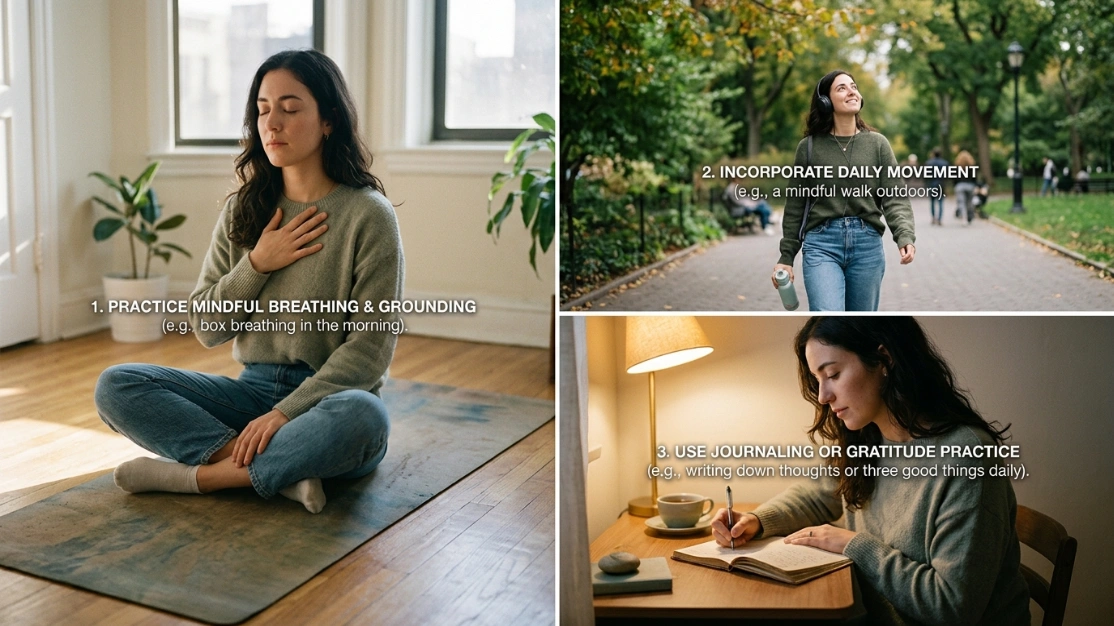
While professional treatment is essential for managing anxiety, there are also practical daily strategies that can make a big difference. By incorporating these habits into your routine, you can reduce anxiety and improve your overall quality of life:
1. Practice Mindfulness
Mindfulness involves paying attention to the present moment without judgment. Practicing mindfulness can help reduce rumination and worry, both of which contribute to anxiety. Start by focusing on your breath for a few minutes each day, gradually building up your mindfulness practice.
2. Try Deep Breathing Exercises
Deep breathing exercises activate your parasympathetic nervous system, which helps calm your body and reduce stress. Take slow, deep breaths for a few minutes whenever you feel anxious or overwhelmed.
3. Engage in Physical Activity
Regular exercise is one of the most effective ways to reduce anxiety. Whether it’s yoga, walking, or running, find an activity you enjoy and make it a part of your daily routine.
4. Build a Support Network
Having a support system is crucial for managing anxiety. Spend time with family, friends, or colleagues who understand and support you. Sharing your thoughts and feelings with others can reduce feelings of isolation and help you feel more connected.
When to Seek Professional Help
While some anxiety can be managed with self-care techniques, professional help may be necessary when:
- Anxiety interferes with your daily functioning (work, relationships, etc.).
- You experience physical symptoms such as panic attacks or extreme fatigue.
- You find it difficult to cope with anxiety despite trying self-help methods.
FAQs
Can anxiety be completely cured?
Anxiety may not always be “cured,” but it can be effectively managed. Many individuals lead fulfilling lives despite occasional anxiety.
How long does it take to treat anxiety?
The timeline for treating anxiety varies. Some individuals feel relief within a few weeks of therapy or medication, while others may take longer.
Are there side effects to anxiety medications?
Some medications may cause side effects, such as dizziness or dry mouth. It’s important to discuss options with your healthcare provider.
Final Thoughts
Treating anxiety can dramatically improve your daily life and well-being. From better sleep and increased productivity to stronger relationships and emotional resilience, the benefits are undeniable. While managing anxiety takes time and effort, the results are well worth it. By seeking the right treatment, whether it’s therapy service, medication, lifestyle changes, or a combination of approaches, you can take control of your anxiety and live a more peaceful, fulfilling life.