
Blog
Inomyalgia and Natural Approaches to Muscle Pain Relief


Muscle pain has a strange way of appearing when you least expect it. One day you’re moving around comfortably, finishing your daily tasks without any trouble, and the next day your shoulders feel stiff, your legs ache after simple activities, or your back starts complaining every time you bend or stretch. Many people assume this is just normal soreness from a busy day or a poor night’s sleep. Sometimes it is. But when the discomfort keeps returning or refuses to fade away, it may be connected to a condition known as Inomyalgia.
Inomyalgia is used to describe ongoing muscle pain and tenderness that can affect different parts of the body. The discomfort may feel like a deep ache, tightness, or sensitivity in the muscles. For some people, it appears after physical activity, while others may notice the pain even when they haven’t done anything strenuous.
Stress, inflammation, muscle strain, and certain lifestyle habits may all play a role in triggering this type of pain. Although pain relievers can offer short-term comfort, they often only mask the symptoms instead of addressing the deeper causes. Because of this, many people are now exploring natural ways to support muscle recovery and manage pain more effectively.
What Is Inomyalgia?
Inomyalgia is a condition that causes ongoing muscle pain and tenderness in different parts of the body. People with this condition may feel aching muscles, fatigue, or stiffness that can make everyday activities uncomfortable.
The exact cause of Inomyalgia is not fully understood. Experts believe it may be linked to stress, lifestyle factors, genetics, or environmental influences.
Symptoms can vary from person to person. Some people experience mild muscle discomfort, while others may deal with more noticeable pain that affects their daily routine. Proper medical guidance and healthy lifestyle habits can help manage the condition and improve overall well-being.
Table Common Causes of Inomyalgia and Their Effects
| Cause | How It Affects Muscles | Possible Result |
|---|---|---|
| Muscle overuse | Muscle fibers become irritated | Soreness and inflammation |
| Poor posture | Continuous pressure on muscles | Neck and shoulder pain |
| Stress | Muscles remain tense | Tightness and headaches |
| Dehydration | Muscles lose flexibility | Muscle cramps |
| Nutrient deficiency | Muscles lack minerals | Weakness and fatigue |
Understanding Inomyalgia
Inomyalgia is a condition that causes widespread muscle pain and tenderness in different parts of the body. While it may sound similar to fibromyalgia, it has its own symptoms and patterns that make it different.
People with Inomyalgia often feel ongoing muscle aches that can range from mild discomfort to stronger pain. Along with muscle soreness, many individuals also experience fatigue and trouble sleeping.
The exact cause of Inomyalgia is still not fully known. Experts believe that factors like stress, genetics, and environmental influences may play a role in developing the condition.
Each person experiences Inomyalgia differently. Symptoms can vary depending on overall health, lifestyle, and emotional well-being. Understanding these differences helps doctors and patients manage the condition more effectively.
What Causes Muscle Pain?

Muscle pain can happen for many reasons. One of the most common causes is overusing the muscles during physical activity. Intense exercise or sudden heavy work can strain the muscles, especially if the body is not used to it.
Muscle injuries are another common reason. Strains, sprains, or small muscle tears can cause pain that may last for several days while the muscles recover.
Sometimes underlying health conditions can lead to muscle pain. Conditions such as fibromyalgia, arthritis, or infections may cause ongoing muscle discomfort due to inflammation or nerve sensitivity.
Stress and emotional tension can also affect the body physically. When people feel stressed, muscles often tighten, which may lead to soreness in areas like the neck, shoulders, or back.
In some cases, nutritional deficiencies may contribute to muscle pain. A lack of important nutrients such as vitamin D, magnesium, or potassium can affect how muscles function and may lead to weakness or cramping.
How Inomyalgia Affects Daily Life
Muscle pain may seem small at first, but it can quickly interfere with daily activities. Tasks like carrying groceries, sitting at a desk, or climbing stairs may feel uncomfortable.
People with Inomyalgia often report stiffness in the morning, muscle fatigue during the day, and soreness after small physical tasks.
Self-Care Tips for Relieving Muscle Pain
Taking care of your body can make a big difference when dealing with muscle pain. Simple daily habits often help relax tight muscles and support faster recovery.
Gentle stretching is a good place to start. Regular stretching improves flexibility and helps reduce tension in the muscles. Even a few minutes of stretching each day can help ease stiffness.
Heat therapy can also bring relief. A warm bath, hot shower, or heating pad helps relax sore muscles and improves blood circulation. However, heat should be avoided if there is swelling or a recent injury.
Staying hydrated is equally important. Drinking enough water helps muscles function properly and lowers the chances of cramps or fatigue.
Rest and recovery also play a key role. Giving your body enough time to recover allows muscles to repair and heal naturally.
Diagnosis and Treatment Options
Diagnosing Inomyalgia can take time because its symptoms often look similar to other muscle or pain-related conditions. Doctors usually begin by reviewing the patient’s medical history and asking about symptoms, daily habits, and pain patterns. A physical examination also helps identify areas of muscle tenderness or stiffness.
In some cases, doctors may order blood tests or other medical tests to rule out conditions such as arthritis, infections, or autoimmune disorders that may cause similar symptoms.
Once Inomyalgia is diagnosed, treatment focuses on reducing pain and improving daily comfort. Doctors may recommend medications like pain relievers or anti-inflammatory drugs to help manage muscle discomfort.
Physical therapy is often an important part of treatment. A therapist can create a gentle exercise plan that improves muscle strength, flexibility, and posture while helping reduce tension.
Common Causes of Inomyalgia
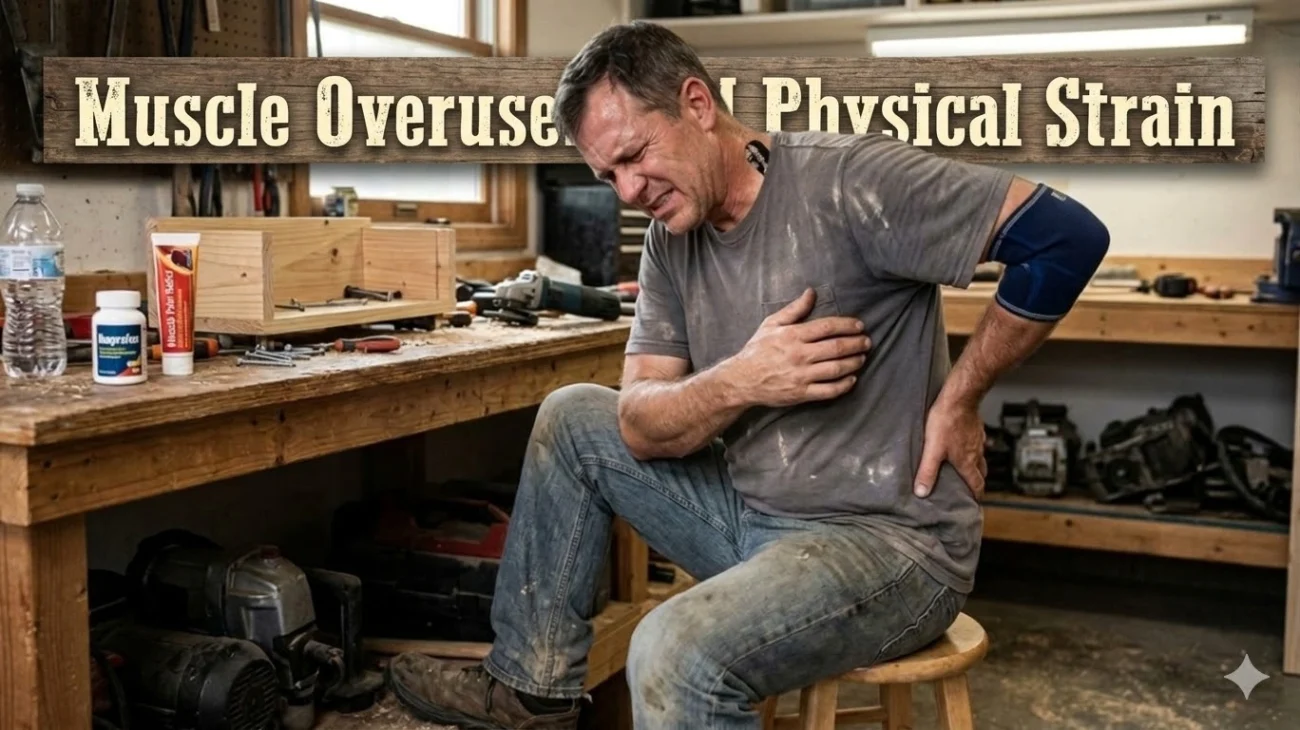
Muscle Overuse and Physical Strain
One of the most common causes of Inomyalgia is muscle overuse. When muscles work too hard without enough recovery time, small muscle fibers become irritated.
Athletes, gym lovers, and people with physically demanding jobs may experience this type of muscle strain frequently.
Poor Posture and Sedentary Habits
Modern lifestyles often require long hours sitting at a desk or looking down at phones. These habits place continuous pressure on certain muscle groups.
Over time, this strain may cause stiffness in the neck, shoulders, and back.
Stress and Emotional Tension
Stress doesn’t just affect the mind; it affects muscles too. When people feel stressed, their bodies automatically tighten certain muscles.
This tension often builds in the shoulders, neck, and jaw, which may lead to long-lasting muscle discomfort.
Symptoms of Inomyalgia
The symptoms of Inomyalgia may vary depending on the person and the cause of the pain. Some people experience mild soreness, while others feel stronger discomfort.
Typical symptoms include muscle stiffness, tenderness, weakness, and reduced flexibility.
Effects on Energy and Movement
Chronic muscle discomfort may also lead to fatigue. When muscles remain tense, the body uses extra energy, which can leave people feeling tired.
In some cases, limited mobility may occur because painful muscles restrict movement.
Natural Approaches to Relieve Inomyalgia
Staying active can actually help relieve muscle pain. Gentle exercise improves blood circulation and delivers oxygen and nutrients to muscle tissue.
Activities like walking, stretching, yoga, and swimming help muscles stay flexible and reduce stiffness.
Heat Therapy for Muscle Relaxation
Heat therapy is one of the simplest ways to relax tight muscles. Warm temperatures increase blood flow and help muscles loosen.
Warm showers, heating pads, or warm compresses can provide relief from chronic muscle tension.
Nutrition and Anti-Inflammatory Foods
What you eat can affect how your muscles feel. Certain foods contain nutrients that support muscle recovery.
Foods rich in antioxidants and healthy fats may help reduce inflammation. Examples include leafy vegetables, berries, fish, nuts, and olive oil.
Staying hydrated also plays an important role. Muscles need water to function properly.
Natural Herbal Support for Muscle Pain
Herbs That Help Reduce Inflammation
Some herbs contain natural compounds that help calm inflammation in the body. Turmeric, for example, contains curcumin, which may help reduce muscle soreness.
Ginger may also support muscle recovery after physical activity.
Essential Oils for Relaxation
Essential oils are often used during massage therapy. Oils like peppermint and eucalyptus create a cooling sensation that helps relax tight muscles.
Many people enjoy using these oils after a long day when their muscles feel tense.
The Role of the Nervous System in Muscle Pain
Muscle pain does not always come from physical damage. Sometimes the nervous system plays a role.
The brain and spinal cord control how pain signals travel through the body. If the nervous system becomes sensitive, small movements may feel more painful.
Stress and poor sleep can increase this sensitivity.
Sleep and Muscle Recovery
Sleep is essential for muscle repair. During deep sleep, the body releases hormones that help repair damaged muscle tissue.
When sleep quality is poor, muscles may take longer to recover.
Healthy Sleep Habits
Simple habits can improve sleep and support muscle recovery.
Maintaining a regular bedtime, limiting screen use at night, and creating a calm sleeping environment can help improve sleep quality.
Oxygen Flow and Muscle Health
Muscles rely on oxygen to produce energy and stay healthy. Poor circulation may reduce oxygen supply, which can increase fatigue and soreness.
How to Improve Oxygen Circulation
Regular movement helps improve circulation. Deep breathing exercises can also increase oxygen intake.
Combining stretching with slow breathing may help muscles relax and recover faster.
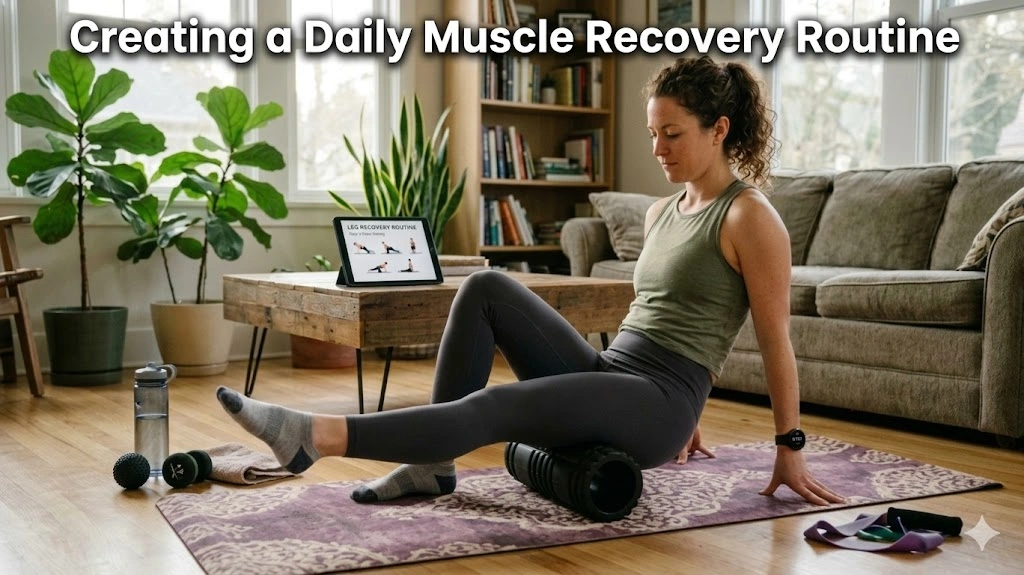
Creating a Daily Muscle Recovery Routine
The Importance of Consistency
Many articles suggest exercise for muscle pain, but they rarely explain how to build a daily recovery routine.
A balanced routine includes movement, relaxation, and rest.
A Simple Daily Routine for Muscle Health
Starting the day with gentle stretching can wake up stiff muscles. Short walking breaks during the day help prevent stiffness from sitting too long.
Evening relaxation activities such as yoga or warm baths help muscles recover from daily stress.
Why This Guide Is More Helpful
This article goes further by explaining lifestyle factors, natural therapies, sleep habits, breathing techniques, and daily routines that support muscle recovery.
Instead of focusing only on treatment, it emphasizes prevention and long-term muscle wellness.
FAQs
What is Inomyalgia?
Inomyalgia refers to ongoing muscle pain that may develop due to strain, inflammation, stress, or lifestyle habits.
Can Inomyalgia go away naturally?
Yes. Many cases improve with natural methods such as stretching, exercise, hydration, massage, and proper sleep.
What foods help reduce muscle pain?
Foods rich in antioxidants and omega-3 fatty acids, including fish, nuts, berries, and leafy vegetables, may support muscle recovery.
Is exercise safe during muscle pain?
Gentle activities like stretching or walking can improve circulation and help reduce stiffness.
When should someone see a doctor?
A doctor should be consulted if muscle pain lasts several weeks, becomes severe, or appears with other symptoms such as swelling or fever.
Final Thoughts
Inomyalgia may cause discomfort, but natural approaches can make a big difference. Gentle exercise, healthy nutrition, good sleep, and stress management all support muscle recovery. By caring for your body and building healthy daily habits, you can keep your muscles flexible, strong, and ready for whatever life throws your way.