
Blog
How Pulsierende Signal Therapie Supports Natural Recovery

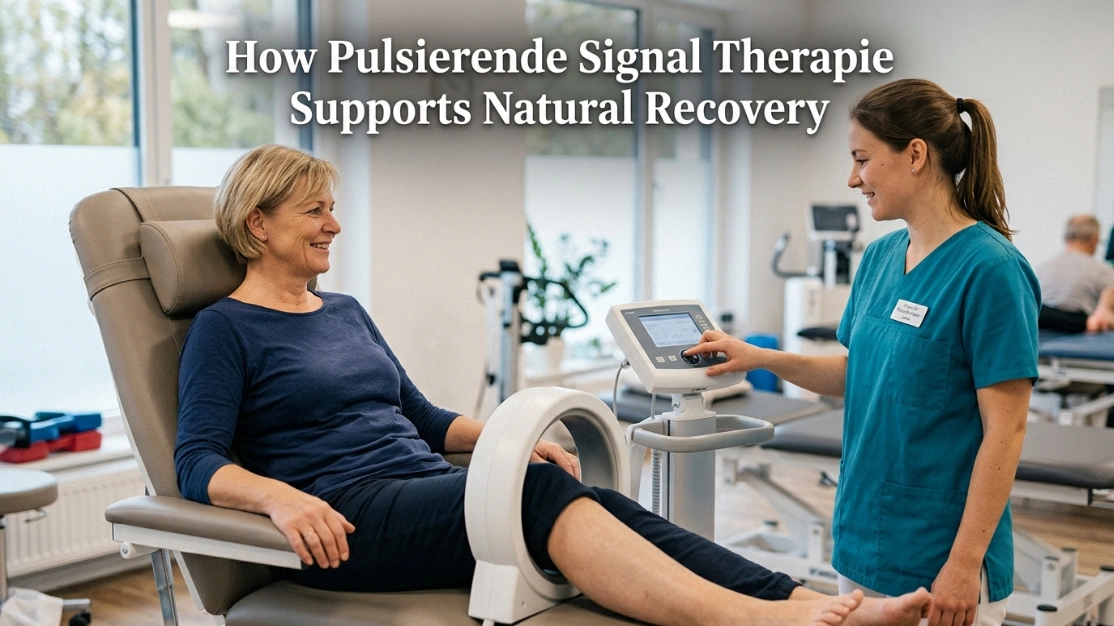
Joint pain can slowly take over everyday life. One day your knee feels a little stiff when you stand up. A few weeks later, climbing stairs feels harder. Eventually even simple things—walking the dog, playing with your kids, or getting out of a chair start to hurt. Most people immediately think of two solutions: pain medication or surgery. But not everyone wants to depend on pills or go through an operation.
Pulsierende Signal Therapie (often called PST) is a non-invasive treatment that supports the body’s natural healing process using gentle electromagnetic signals. Instead of forcing the body to react through medication or surgery, this therapy works with the body’s biological systems and encourages damaged joint tissues to recover. Doctors and therapists use Pulsierende Signal Therapie to support patients dealing with conditions such as osteoarthritis, joint degeneration, sports injuries, and chronic joint pain.
We will explore everything you should know about Pulsierende Signal Therapie, including:
• How the therapy works
• Why cartilage needs help healing
• What happens during treatment
• Scientific research behind PST
• Benefits and limitations
• Comparison with traditional treatments
• Lifestyle habits that improve results
Quick Overview of Pulsierende Signal Therapie
| Feature | Description |
|---|---|
| Therapy Name | Pulsierende Signal Therapie (PST) |
| Treatment Type | Non-invasive electromagnetic therapy |
| Primary Goal | Stimulate cartilage repair and joint recovery |
| Common Conditions | Osteoarthritis, joint pain, sports injuries |
| Treatment Duration | Usually 9 sessions |
| Session Length | Around 1 hour |
| Pain Level | Completely painless |
| Recovery Time | No downtime required |
Understanding Pulsierende Signal Therapie
Pulsierende Signal Therapie is a medical treatment that uses low-frequency electromagnetic signals to stimulate natural biological processes inside the body. These signals interact with joint tissues, particularly cartilage, and encourage cells to function more efficiently.
Unlike treatments that simply reduce pain, PST focuses on improving the health of joint tissues. The therapy attempts to restore the natural activity of cartilage cells so that they can repair and maintain joint structure.
This approach fits into a growing area of medicine called regenerative therapy, which focuses on helping the body repair itself.
Why Joint Health Depends on Cartilage
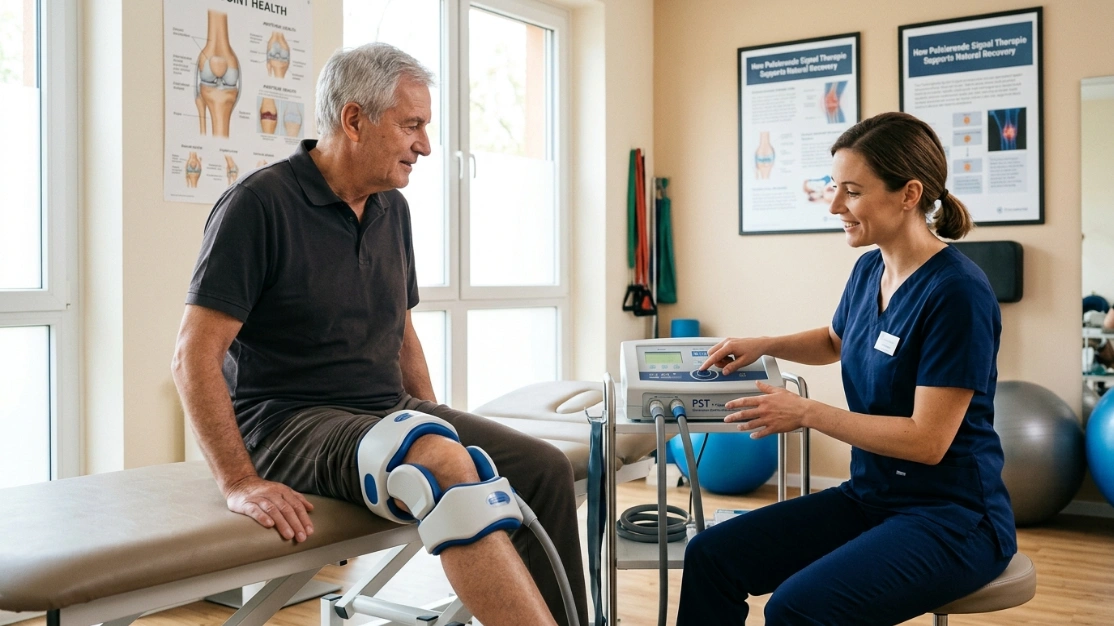
Cartilage is a smooth, flexible tissue that covers the ends of bones in a joint. It acts as a cushion and allows bones to glide over each other without friction.
Healthy cartilage helps joints move smoothly and prevents painful bone-to-bone contact.
However, cartilage has one major weakness: it does not have its own blood supply. Because of this, it receives fewer nutrients and heals very slowly when damaged.
When cartilage begins to wear down, people often experience:
• Joint stiffness
• Pain during movement
• Reduced flexibility
• Swelling in the joint
Why Cartilage Struggles to Heal
Unlike muscles or skin, cartilage cannot easily regenerate. Since it lacks blood vessels, nutrients reach cartilage slowly through surrounding joint fluid.
If cartilage becomes damaged due to aging, injury, or repeated stress, the body may struggle to repair it properly.
Over time, the cartilage becomes thinner and weaker. This leads to increased joint friction, which causes pain and inflammation.
Pulsierende Signal Therapie attempts to help cartilage cells regain their natural activity so they can produce the substances needed to rebuild tissue.
How Electromagnetic Signals Influence Cells
Every cell in the body communicates using tiny electrical signals. These signals regulate many biological processes, including growth, repair, and metabolism.
When cartilage becomes damaged, these signals may weaken or disappear. Without proper communication between cells, the repair process slows down.
Pulsierende Signal Therapie recreates these natural signals using controlled electromagnetic pulses.
These signals may stimulate cartilage cells and encourage them to resume normal activity.
How PST Stimulates Cartilage Cells
Cartilage cells, known as chondrocytes, are responsible for producing the materials that keep cartilage strong and flexible.
When PST signals reach the joint, they may stimulate these cells to increase production of key structural components.
These components include
• Collagen
• Proteoglycans
• Joint lubrication molecules
These substances help maintain cartilage structure and support smooth joint movement.
Over time, increased cellular activity may help strengthen cartilage and improve joint function.
What Happens During a PST Treatment Session
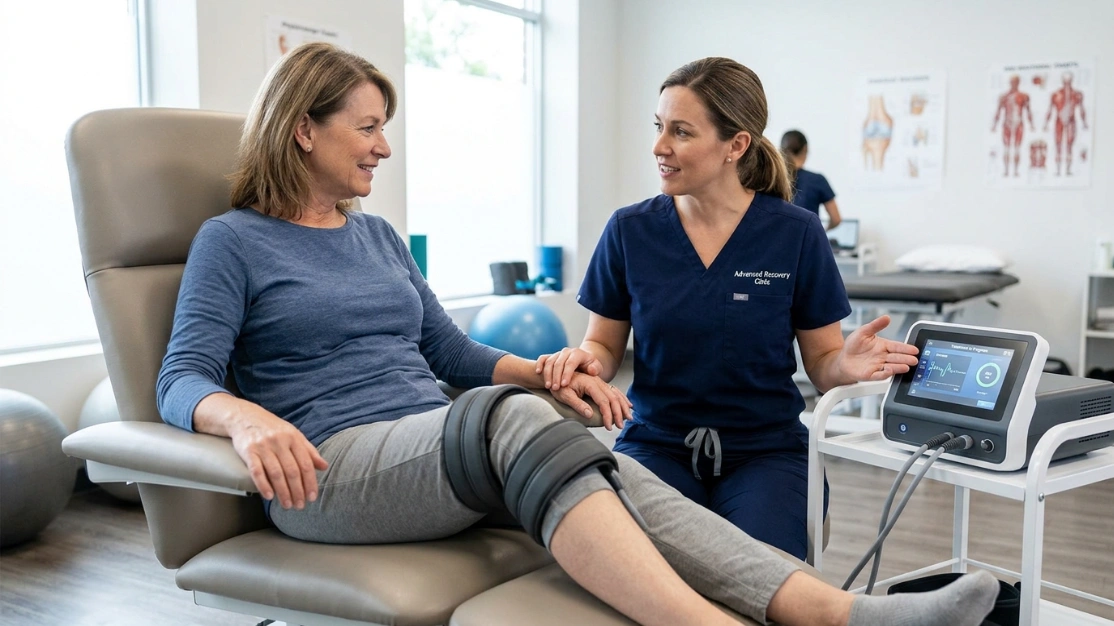
A typical PST session is simple and comfortable. Patients sit or lie down while the affected joint is placed inside a treatment device.
The machine produces gentle electromagnetic signals that pass through the joint area.
Each session usually lasts about one hour.
Patients often spend the time relaxing, listening to music, or reading a book.
The treatment does not involve needles, injections, or medication.
Typical PST Treatment Plan
Most Pulsierende Signal Therapie programs include nine treatment sessions.
These sessions are often scheduled over nine consecutive days.
Doctors design the therapy plan to provide consistent stimulation to the joint tissues over time.
After completing the treatment cycle, the body continues responding to the signals as cartilage cells gradually regain normal activity.
Conditions That May Benefit From Pulsierende Signal Therapie
Osteoarthritis
Osteoarthritis is the most common condition treated with PST.
The disease develops when cartilage slowly wears down over time. This process can cause stiffness, inflammation, and pain.
By stimulating cartilage cells, PST may help support natural repair processes.
Sports Injuries
Athletes and active individuals often place repeated stress on their joints.
Over time, this stress can damage cartilage and surrounding tissues.
PST may help support recovery by improving cellular activity in the joint.
Chronic Joint Pain
Some people experience long-term joint pain even without a major injury.
In these cases, PST may help improve joint function and reduce discomfort by supporting natural biological processes.
Comparing Pulsierende Signal Therapie With Traditional Treatments
| Treatment | Approach | Invasiveness | Main Goal |
|---|---|---|---|
| Pain Medication | Reduces pain signals | Non-invasive | Temporary relief |
| Cortisone Injections | Reduces inflammation | Minimally invasive | Short-term relief |
| Physical Therapy | Strengthens muscles | Non-invasive | Mobility improvement |
| Joint Surgery | Repairs or replaces joints | Highly invasive | Structural correction |
| Pulsierende Signal Therapie | Stimulates cellular repair | Non-invasive | Natural recovery support |
Competitor Content Analysis
Several websites currently discuss Pulsierende Signal Therapie, including:
- PST Therapy Overview (medical rehabilitation websites)
- Orthopedic clinic articles explaining PST treatment
- General health blogs discussing electromagnetic therapy
Basic explanations of the therapy

They often include
• Short descriptions of PST
• Basic treatment benefits
• Simple explanation of electromagnetic signals
Many of these articles miss important details such as
• Realistic treatment expectations
• Lifestyle factors that improve results
• Biological mechanisms behind cartilage repair
• Comparison with other therapies
• Long-term recovery process
Why PST Is Becoming More Popular
Many people today want treatments that support natural healing rather than simply masking symptoms.
Pulsierende Signal Therapie fits this philosophy because it encourages the body to repair damaged tissues instead of forcing immediate symptom relief.
Demand for Non Surgical Treatments
Joint replacement surgery can be effective, but it involves risks and long recovery periods.
Because of this, many patients explore conservative treatments first.
PST offers a non-invasive option that may help improve joint function without surgery.
Lifestyle Habits That Improve PST Results
Cartilage receives nutrients through joint fluid movement.
Gentle activities can help circulate these nutrients and support recovery.
Examples include:
• Walking
• Swimming
• Cycling
Nutrition and Joint Health
Certain nutrients help support cartilage structure.
A balanced diet may improve overall joint health during recovery.
Important nutrients include
• Omega-3 fatty acids
• Vitamin C
• Collagen protein
• Magnesium
Healthy lifestyle habits often improve the effectiveness of regenerative therapies.
FAQs
Is Pulsierende Signal Therapie painful?
No. The treatment is completely painless. Most patients feel relaxed during sessions.
How quickly do results appear?
Some people notice improvement within a few weeks, while others experience gradual changes over several months.
Can PST replace surgery?
In some cases, PST may help delay surgery. Severe joint damage may still require surgical treatment.
Who should consider PST therapy?
People with osteoarthritis, joint pain, sports injuries, or early cartilage damage may benefit from discussing PST with a healthcare professional.
Final Thoughts
Pulsierende Signal Therapie offers a gentle and promising way to support natural joint recovery. By stimulating cartilage cells and encouraging biological repair processes, the therapy helps the body rebuild joint function over time. While results vary from person to person, many patients appreciate a treatment that focuses on healing rather than simply masking pain.