
Blog
How Couples Therapy Can Strengthen Your Relationship and Improve Communication


Couples therapy is a valuable resource for couples looking to strengthen their relationship and work through any challenges they may face. If you are encountering ongoing struggles, recovering from a difficult period, or simply wanting to prevent future issues, therapy provides the tools and support you need to build a healthier connection. It’s beneficial at any stage of your relationship whether you have been together for a few months or many years.
Couples therapy can help address a wide range of issues that might be impacting your relationship, such as constant disagreements, growing emotional distance, infidelity, intimacy challenges, or external stressors like work or family pressure. By providing a neutral space for both partners to express their feelings and work through difficulties, therapy helps improve communication, rebuild trust, and guide you both toward a more fulfilling relationship.
What Is Couples Therapy?
Couples therapy is a form of psychotherapy where two people in a romantic relationship work with a therapist to resolve conflicts, improve communication, and enhance their overall emotional connection. If you are dealing with communication breakdowns, trust issues, or just need help reconnecting emotionally, therapy helps couples create stronger, healthier relationships.
The process usually begins with a therapist getting to know both partners individually and as a couple before identifying key relationship challenges. From there, the therapist offers tools and guidance to help you work through these issues. Importantly, therapy isn’t about “fixing” one partner, but rather strengthening the relationship as a whole.
Why Should You Consider Couples Therapy?
One of the most common reasons couples seek therapy is to improve their communication. Poor communication can lead to misunderstandings, feelings of neglect, or even emotional distance. Learning how to express your needs and listen actively to your partner can make a world of difference in the quality of your relationship.
Through therapy, couples can learn techniques like active listening, non-judgmental communication, and how to express emotions without escalating conflicts. These skills can help prevent small issues from snowballing into bigger problems.
- Active listening: Giving your full attention to your partner and responding thoughtfully.
- Speaking without blame: Learning to express your feelings honestly without accusing your partner.
- Empathy: Putting yourself in your partner’s shoes to better understand their emotions.
Common Misconceptions about Therapy
It’s common to think that therapy is only for couples who are on the brink of breaking up. This couldn’t be further from the truth! Couples therapy can benefit anyone, whether you’re dealing with long-term struggles or simply want to improve communication and connection.
Additionally, people often assume that therapy is a quick fix. But the reality is that it’s a process. The results of therapy come from consistent effort, a willingness to learn, and the ability to apply the tools you’ve learned during sessions to everyday life.
How Does Couples Therapy Work?

When you start couples therapy, you’ll typically begin with an initial consultation. During this session, the therapist will get to know both of you individually and as a couple. You’ll discuss your history, current challenges, and what you hope to achieve. From there, the therapist will guide you through discussions and exercises designed to help improve communication, trust, and understanding.
Types of Couples Therapy
There are various types of therapy models available. Some of the most popular include:
- Emotionally Focused Therapy (EFT): Focuses on building emotional bonds between partners.
- Cognitive Behavioral Therapy (CBT): Aims to change negative thinking patterns and behaviors.
- Gottman Method: Focuses on strengthening the foundation of your relationship by promoting respect and understanding.
- Imago Therapy: Works to heal emotional wounds and improve communication.
What Couples Therapy Can Help With
Couples therapy provides an invaluable space where you and your partner can openly address and work through a wide range of issues affecting your relationship. Here are some of the key areas couples therapy can help with:
Roles in the Relationship
It can be challenging when the roles you and your partner play in the relationship are unclear or unhealthy. Therapy helps you both explore your individual roles and expectations, and it can reveal areas where dynamics may need adjustment.
Beliefs and Values
Different beliefs and values, including religious views, can affect daily life and decision-making. Couples therapy offers a platform for both partners to discuss their beliefs, values, and the potential impact they have on your relationship. Open discussions like these can deepen mutual understanding.
Finance
Money is often a major point of contention in relationships. Therapy can encourage open and honest conversations about finances, helping you and your partner better understand each other’s spending habits, income expectations, and long-term financial goals.
Time Spent Together
Many couples struggle with finding quality time together amidst busy schedules. Therapy can help you explore what activities you enjoy doing together and guide you in making time together more meaningful and fulfilling.
Children
The decision of whether to have children, or how to raise them, can cause significant tension if partners are not on the same page. Therapy provides a safe space to discuss these concerns openly. It can also offer support if you are facing challenges like difficulty conceiving or adopting children.
Familial Relationships
Relationships with family members—parents, siblings, in-laws—can sometimes interfere with your partnership. Therapy can help address conflicts arising from external familial pressures and work on boundaries that protect the core of your relationship.
Sex and Intimacy
If intimacy or sexual issues are affecting your relationship, therapy can provide a safe and non-judgmental space to talk about your needs, fears, and concerns. This can help improve communication and restore closeness in the relationship.
Health Issues
Physical health or mental health struggles can place immense strain on a partnership. Whether dealing with chronic illness, mental health challenges, or the emotional toll of caregiving, therapy can help you both navigate these difficulties while preserving the health of your relationship.
External Stressors
External factors like work stress, financial pressures, or life changes can sometimes spill over into your relationship. Couples therapy offers a space to work through these pressures together and prevent them from causing long-term damage to your bond.
Mental Health Benefits of Couples Therapy
Reduces Stress and Anxiety
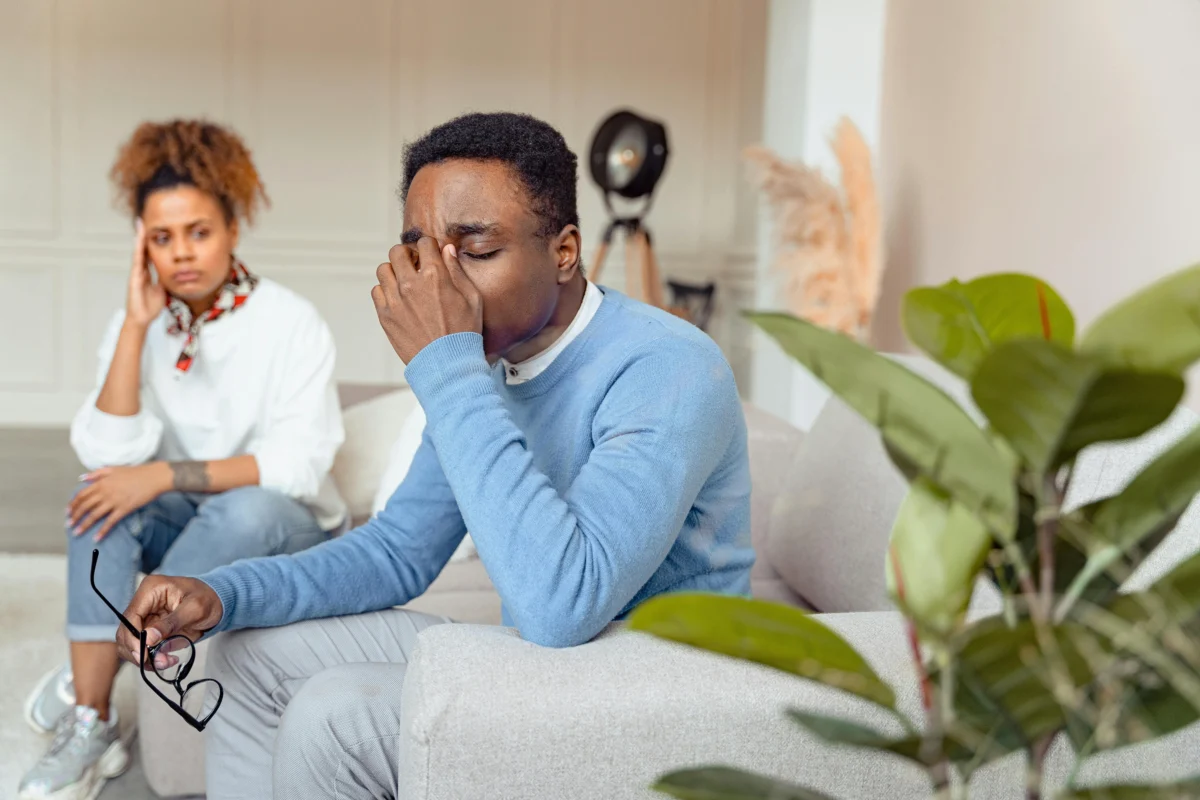
Unresolved relationship issues can lead to high stress and anxiety. Couples therapy provides a space to release tension and work through problems, promoting emotional relief and mental well-being.
Enhances Emotional Regulation
Therapy teaches partners how to manage emotions better. Learning to respond calmly and thoughtfully improves emotional control both in the relationship and in other areas of life.
Builds Better Coping Skills
Couples therapy equips partners with tools to handle life’s stressors together, improving their ability to cope with challenges and reducing feelings of helplessness.
Boosts Self-Esteem
When partners feel valued and understood, their self-worth improves. Therapy helps restore confidence and strengthens personal identity within the relationship.
Reduces Loneliness and Isolation
Emotional distance can lead to feelings of loneliness. Therapy helps rebuild connections, making partners feel heard and supported, reducing isolation.
Heals Past Trauma
Couples therapy provides a safe space to address and heal past emotional wounds, such as childhood trauma or betrayal, helping partners move forward with understanding.
Lowers Depression Risk
Long-standing relationship issues can trigger depression. Therapy works to resolve these issues, reducing the risk of developing depression by improving emotional support.
Improves Conflict Resolution
Conflict is normal, but how it’s managed matters. Therapy helps couples develop healthy ways to resolve disagreements, lowering emotional stress.
Increases Emotional Intimacy
Therapy fosters emotional closeness by encouraging open communication and vulnerability, strengthening the relationship and boosting mental well-being.
Enhances Overall Mental Health
A strong relationship provides stability and emotional support, contributing to better overall mental health. Therapy helps build this supportive foundation.
What Is Chemistry in a Relationship?
“Chemistry” in a relationship often refers to that deep, natural connection between two people. It’s the feeling that brings you together and keeps the spark alive. While chemistry isn’t the sole foundation of a lasting relationship, therapy can help couples build and maintain this emotional connection over time. It helps partners find balance and rediscover their bond even when external pressures make things harder.
Benefits of Couples Therapy
Couples therapy offers several lasting benefits that help improve your relationship in both the short and long term. Here are some of the key advantages:
Understand Each Other Better
Through therapy, you and your partner can gain a deeper understanding of each other’s emotions, values, fears, and needs. This insight creates a solid foundation for your relationship and helps you relate to each other in more meaningful ways.
Identify Relationship Issues
Therapists help you identify patterns of behavior that lead to recurring conflicts or feelings of disconnection. This awareness allows you both to break unhealthy cycles and find healthier ways to communicate and resolve issues.
Improve Communication Skills
Effective communication is at the heart of a strong relationship. Therapy can teach you both how to express your needs, listen actively, and speak to each other without blame or judgment—skills that can dramatically improve how you interact on a daily basis.
Resolve Conflicts
Couples often get stuck in unproductive arguments. Therapy provides a structured environment to work through conflicts with a focus on resolution. It teaches conflict resolution techniques that foster cooperation and mutual understanding, rather than hostility.
Strengthen Friendship and Attachment
Therapy isn’t just about fixing problems; it’s also about building your relationship’s emotional connection. It can help you rediscover the friendship, trust, and intimacy that form the backbone of a loving partnership.
Terminate Dysfunctional Behaviors
Dysfunctional habits, such as stonewalling or defensiveness, can undermine a relationship. In therapy, your therapist can help identify these behaviors and teach you both how to replace them with healthier, more supportive actions.
Learn Relationship Skills
Couples therapy is generally short-term, focused on equipping you with tools to prevent future conflicts. The skills you develop in therapy—like managing anger, improving communication, and handling disagreements—stay with you long after therapy has ended.
Improve Relationship Satisfaction
At its core, couples therapy aims to help both partners feel happier and more fulfilled in the relationship. Whether it’s improving intimacy, increasing emotional connection, or resolving long-standing issues, therapy ultimately leads to a more satisfying partnership.
Effectiveness of Couples Therapy

Research consistently shows that couples therapy is effective in improving relationship satisfaction. A study summarized in 2014 found that couples who underwent therapy showed significant improvements in communication, problem-solving, and resolving emotional needs.
Emotionally Focused Therapy (EFT), in particular, has strong research support, with numerous studies demonstrating that couples who participate in 8 to 12 sessions of EFT report reduced relationship distress and increased satisfaction. These positive changes often last well beyond therapy, with some couples experiencing sustained improvements for years after treatment.
Is Couples Therapy Right for You?
You don’t have to wait until things are falling apart to consider therapy. If you notice repeated arguments, communication breakdowns, or emotional disconnection, therapy can help. It’s a proactive step that can help you build a healthier relationship before issues become bigger problems.
Signs You Could Benefit from Therapy
- Constantly fighting or not resolving issues
- Feeling emotionally distant from your partner
- A lack of trust or intimacy
- Difficulty expressing your needs or feelings
If any of these sound familiar, therapy can be a great way to get things back on track.
How to Find the Right Therapist for You
The success of therapy depends largely on finding a therapist you trust and feel comfortable with. You need someone who will guide you both through tough conversations while maintaining a neutral, supportive stance. Don’t be afraid to meet with a few therapists until you find one who is a good fit for both of you.
Types of Therapists and Their Approaches
Therapists have different styles and specializations. Some may be more structured in their approach, while others focus on emotional connection or behavior patterns. It’s important to find a therapist whose approach aligns with your needs and preferences, whether you’re looking for in-person sessions or online therapy.
Evidence Based Results What Research Says About Couples Therapy
Research shows that couples therapy works for most couples. Studies suggest that 70% of couples report significant improvement in their relationship after completing therapy. These results are especially notable for therapies like Emotionally Focused Therapy (EFT) and the Gottman Method, which are both backed by decades of research.
Therapy doesn’t just help couples stay together; it improves relationship satisfaction, communication, and emotional closeness. If you’re skeptical, know that evidence supports the positive impact of couples therapy on long-term relationship success.
Online and Alternative Couples Therapy Options
Couples therapy doesn’t have to be limited to in-person sessions. With the rise of online therapy, many couples now opt for virtual counseling. Online therapy offers flexibility and convenience while still providing the same benefits as face-to-face sessions.
Additionally, there are subscription-based platforms and apps that allow couples to work through relationship-building exercises on their own, alongside therapy. These alternatives can be a great way to complement your therapy sessions and improve your relationship.
FAQs
How Long Does Couples Therapy Take?
Couples therapy typically lasts between 12 and 20 sessions, depending on the couple’s needs and goals. Some couples may see improvements after just a few sessions, while others may need more time.
How Much Does Couples Therapy Cost?
The cost of therapy varies by location and therapist, but it typically ranges from $50 to $200 per session. Check with your insurance provider, as some policies cover a portion of therapy costs.
Can Couples Therapy Save a Relationship?
Yes, couples therapy can help save relationships. It’s not a quick fix, but it provides tools to rebuild trust, improve communication, and strengthen emotional connections.
What Happens if Couples Therapy Doesn’t Work?
Sometimes, despite the best efforts, therapy might not lead to the desired outcome. However, therapy can still provide valuable insights into the relationship, whether it leads to growth, reconciliation, or even the decision to part ways.
Final Thought
Couples therapy is a valuable tool for improving communication, resolving conflict, and rebuilding trust. Whether you’re dealing with serious issues or just looking to deepen your connection, therapy provides the support and structure needed to enhance your relationship. It may not always be easy, but it’s a step worth taking for a healthier, more fulfilling partnership. Remember, therapy is not a sign of failure; it’s an investment in your relationship’s future. By working together, you and your partner can overcome challenges, grow stronger, and create a deeper emotional bond.